Here you'll find the exact equipment I use in a clinical setting to help
people who have already tried everything overcome
recurring pain, injuries, pelvic floor
dysfunction, hypermobility, and a range of other
biomechanical health issues - and it's the exact same equipment I used personally to
recover from a
serious car
accident several
years ago.
These are highly
underestimated, functional, and
versatile tools, whether you're struggling to get out of bed in the morning, in constant
pain, or just
trying
to build strength,
longevity, or peak performance. If you're looking to develop optimal function,
you should consider these staples in your home.
In this guide, you will find not only the right equipment to get, but also:
the specific features you should prioritize
how to avoid buying the wrong kind
why use these tools, and what they're for
tested household alternatives you can use any time
None of these items are sponsored. If I recommend a brand, it's because that's what I
use and trust!
Note: It's always safest to
consult with your primary care provider before beginning exercise.
Invest in high-quality, highly functional tools once, and they will last you a
lifetime.
01Part One
Tissue care is non-negotiable
If you're hoping to fix and ideally prevent injuries, or begin self-care, you will need a regular practice of self-massage. This can be done through a
variety of tools,
including even your hands.
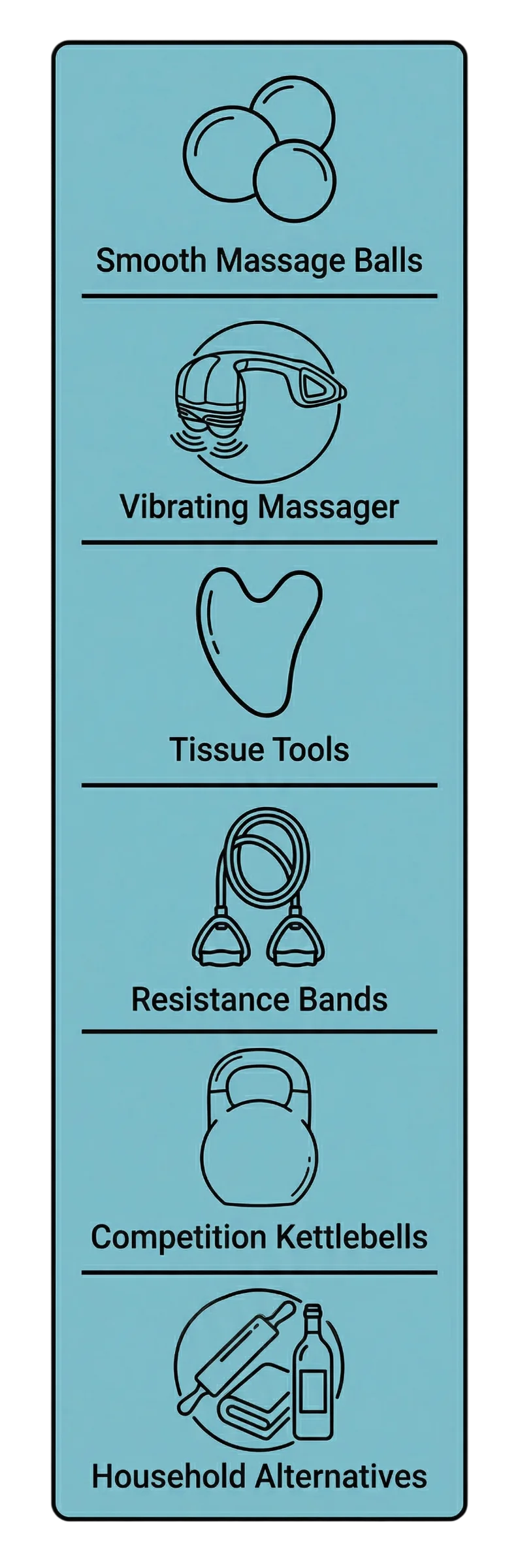
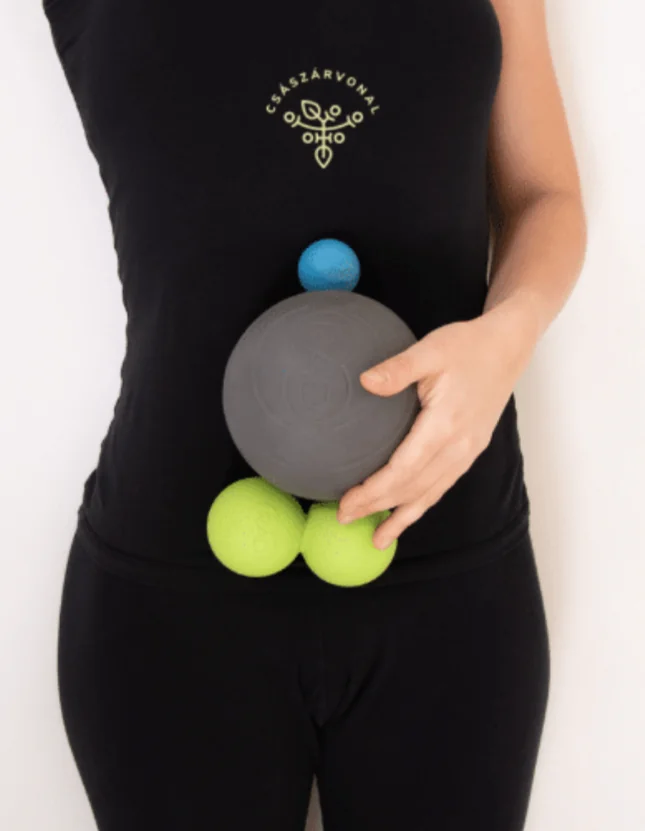
Smooth massage balls Essential
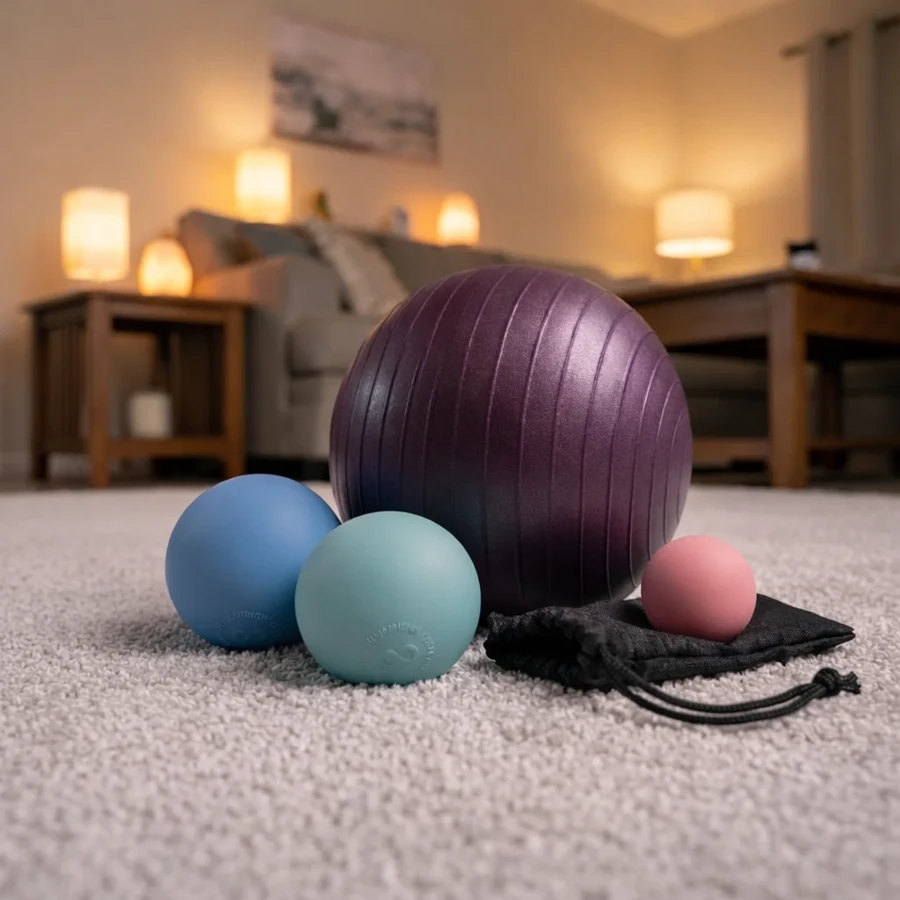
Simple, high-quality silicone massage balls are incredible tools for daily tissue care.
Keep them
under your desk, by your bed, take them with you, use them often.
What kind to get
You will want a wide collection of smooth balls in different sizes, shapes, and densities to match
what feels best on your body.
There are countless kinds of balls you can get, but I recommend you look for 100% smooth
silicone. I usually tell my clients to avoid foam balls (like those from
Alpha or
Yoga Tune Up),
as I've found they can off-gas strange chemical smells for years. Silicone maintains its shape and
density forever, and it's really easy to keep clean.
Rad collection
The brand I most recommend
"Rad" are my personal favorite. I've used their collection for maybe 10 years and they still look
brand
new. They have a wide variety of types of tools and sizes of balls. Their peanut-shaped
roller is also
great for rolling out the muscles along your spine.
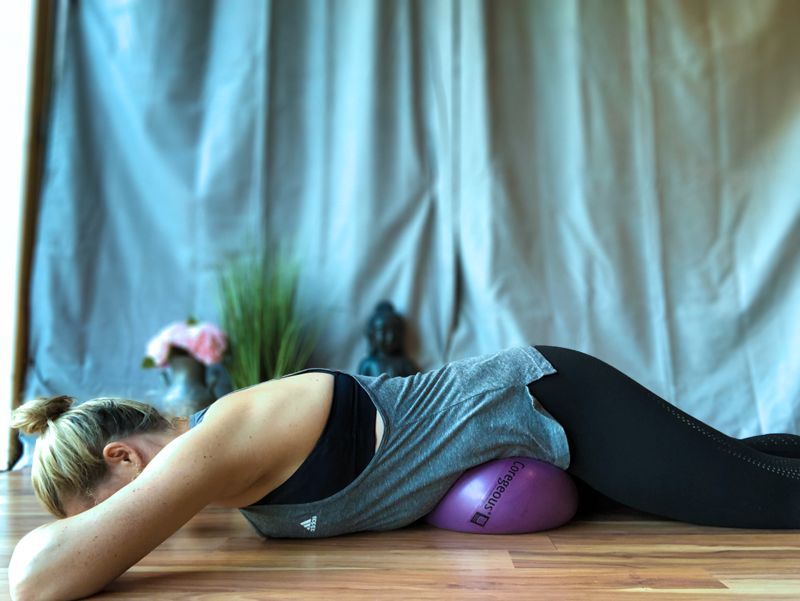
Coregeous Ball
You will also want at least one soft, squishy ball (about the size of a small melon). The Coregeous style
is usually an air-filled ball
with a soft, grippy skin designed specifically to safely massage delicate areas like
the abdomen, soft
low back, and ribcage.
!
Don't bother with these!
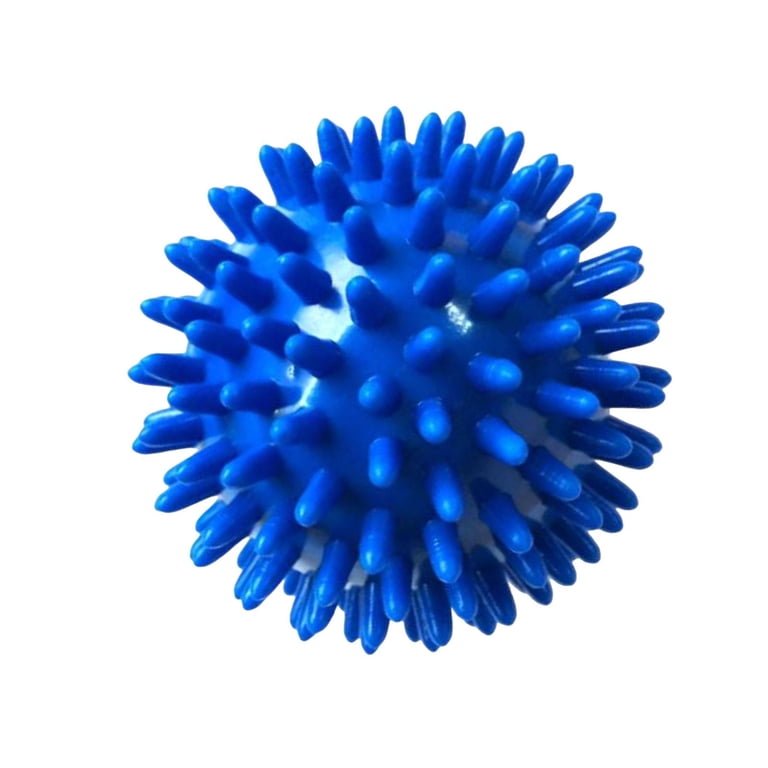
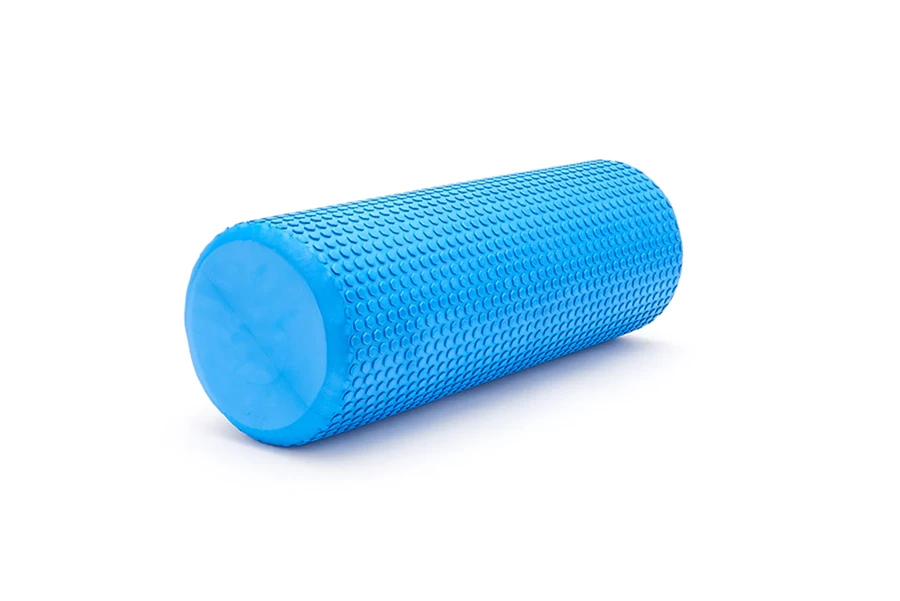
Avoid textured/spiky massage balls. Your body will react much better to the
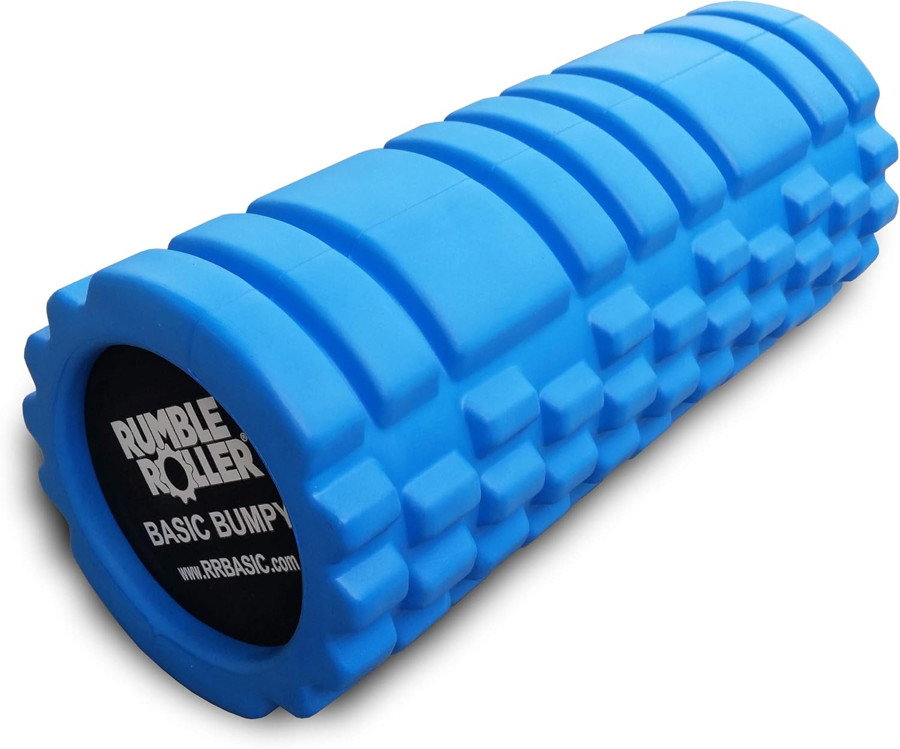
smooth ones. My thoughts on that also apply to foam rollers! Although I am personally not a fan
of foam rollers, you can experiment with them. But if you do, make sure it's a smooth one.
Spiky = no
Textured = no
Smooth = good
Household alternatives
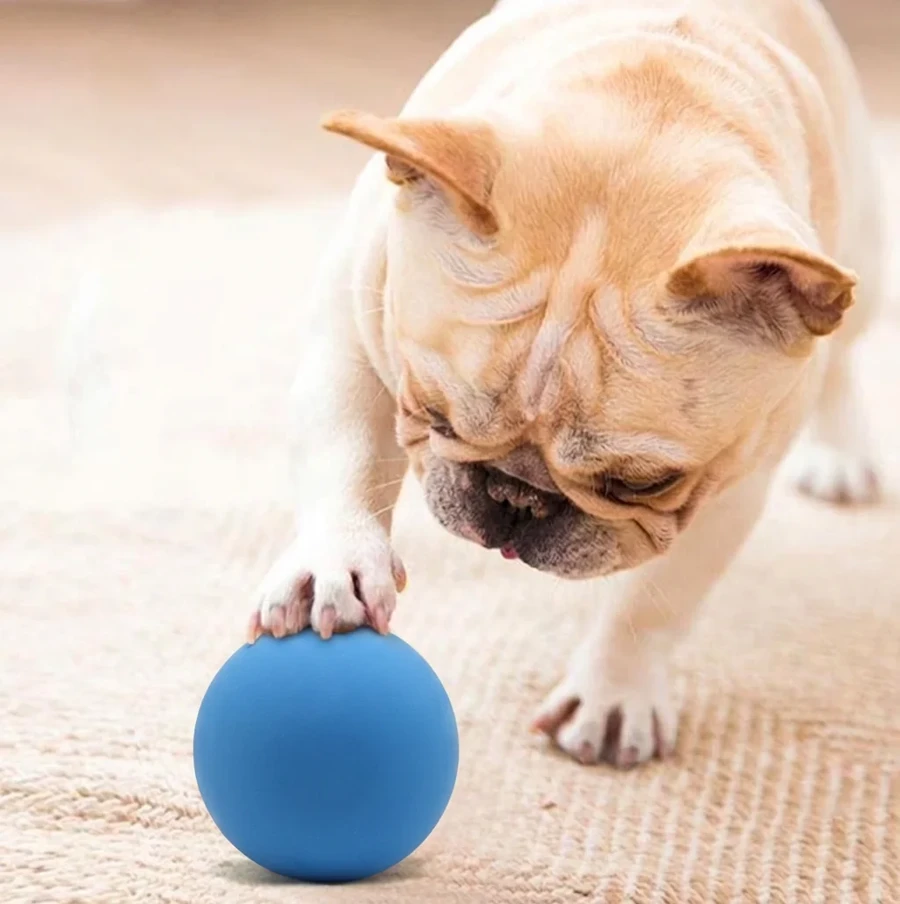
You don't have to buy official fitness brands to get good results. If you have clean, dense,
silicone
dog toys lying around, they make fantastic massage tools! You can be incredibly creative
with what you
use. Just make sure it's dense enough to apply a good amount of pressure. Tennis balls tend to
collapse
under pressure.
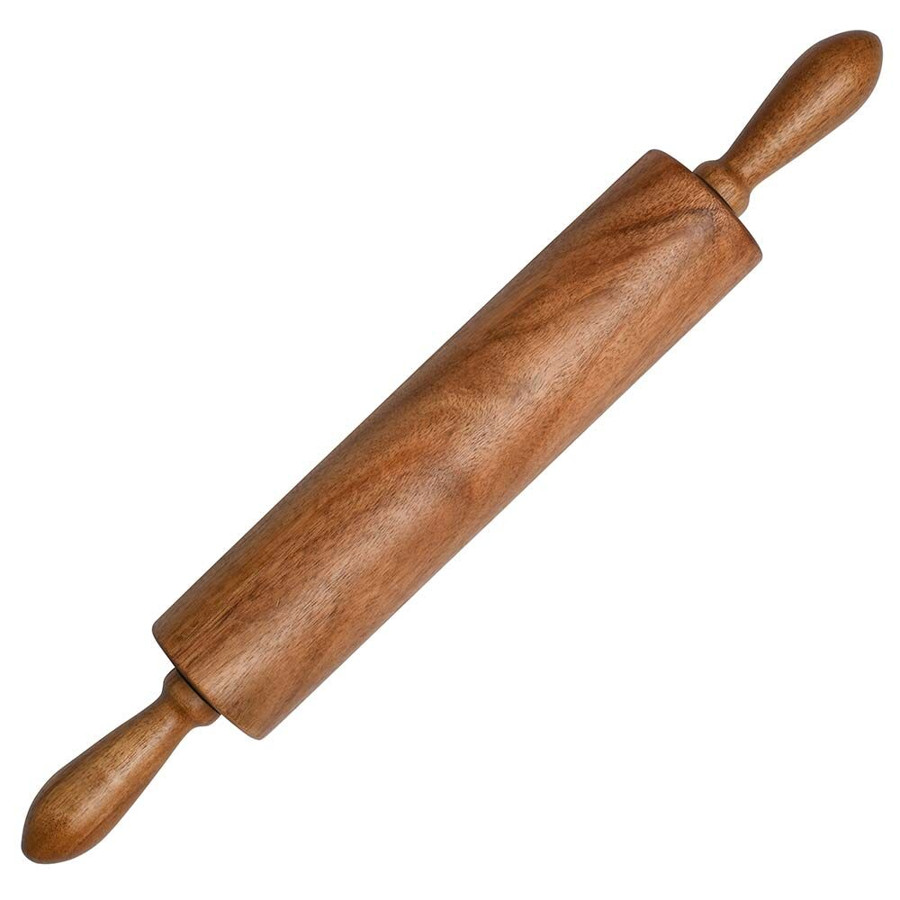
Similarly, if you want the effect of a rolling pin-massager, just grab a wooden pastry or bread
roller right out of your kitchen. Glass bottles like soda/wine/beer also work great.
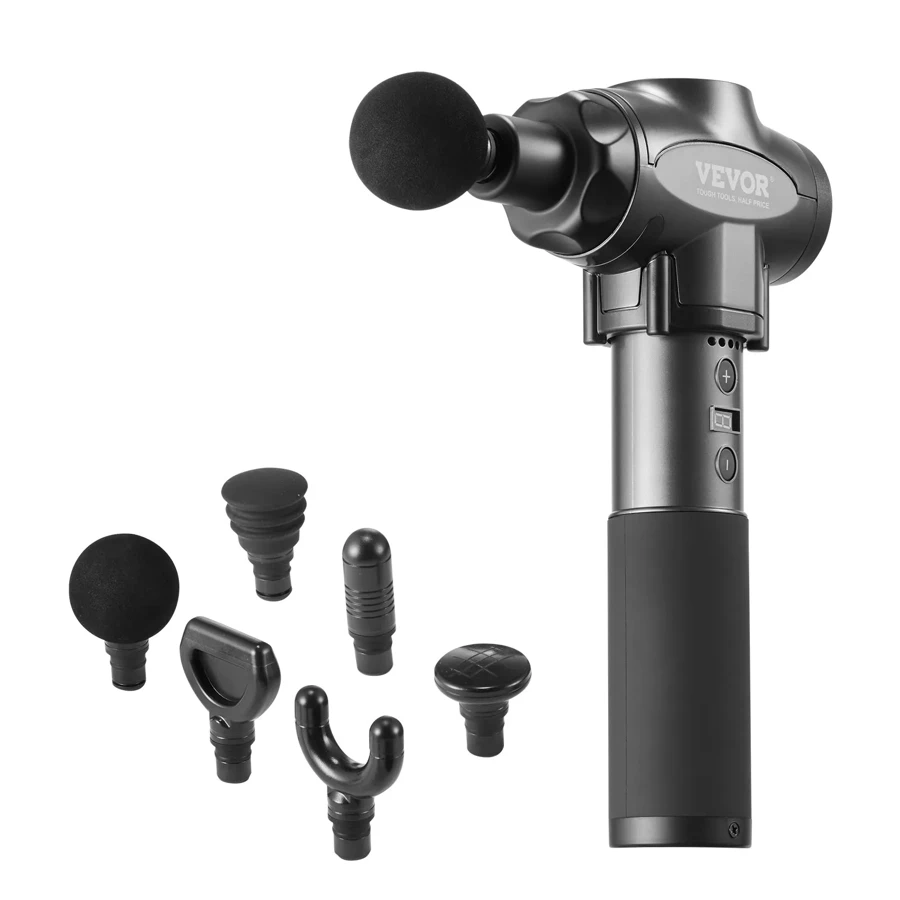
Vibrating massage tools Optional (but
helpful!)
When something's tender to touch, it's asking for massage. But sometimes it
might feel like it's
so sensitive it doesn't even want to be touched... for those times, a massager can be a
perfect way to
make self-massage easier and more tolerable. If you don't have areas
that feel that sensitive, you can skip this.
What kind to get
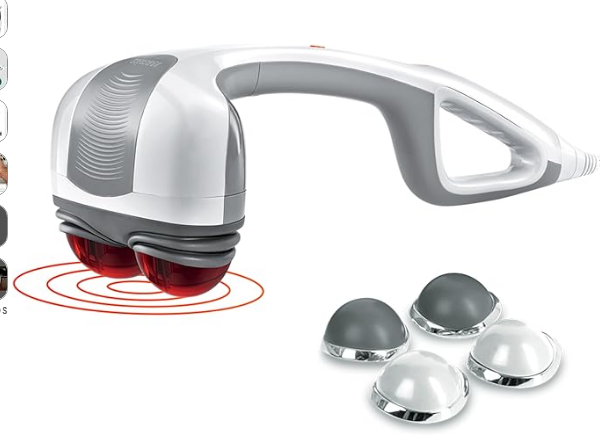
Go for the two-headed, side-to-side massagers. The in-and-out motion of a
single-hand gun style
massager shoots a lot of destabilizing force back into your own hand and wrist while you hold
it. The side-to-side motion of a double-headed massager can minimize that wrist
strain.
Be careful about your nervous system's limits
If you're dealing with nervous system related issues, post-concussion symptoms or high
sensitivity, your body might reject the rapid rhythm of some of these tools. If you
need to use
it on sensitive areas (like near the spine or head) or the rhythm is just outside your
comfort
zone, you can lay a towel down over your body first for a little extra cushioning.
!
Caution
Yes, you can pay for a practitioner to use these tools on you if you like, but I recommend my clients get their own because they're easy to use and can be found for very reasonable prices, and even second-hand.
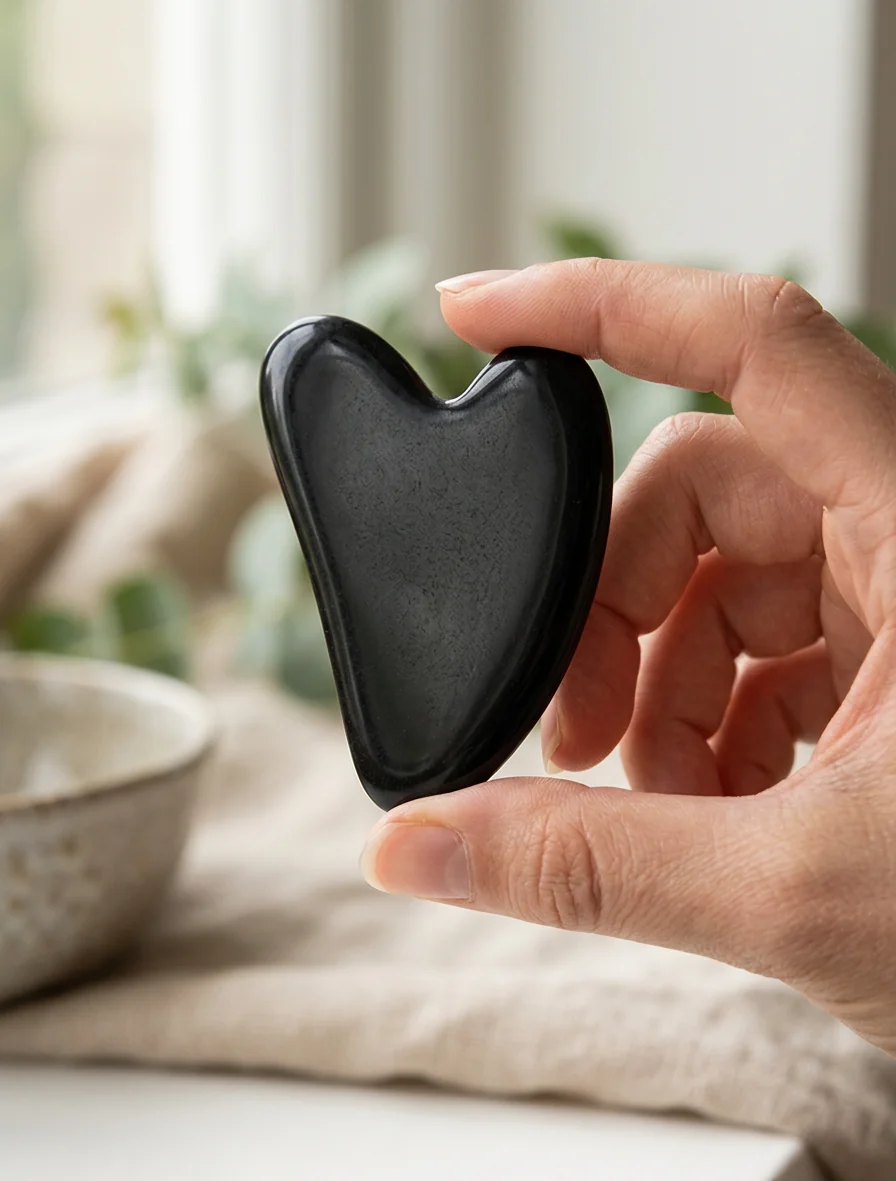
Skin and scar tissue tools Optional
While these are commonly used for aesthetics, skin texture, and working with scar tissues, they
can also be used for old injuries.
What to look out for
Gua Sha tools are great for this. But all you really need is something with a
tight,
smooth edge (even a
ceramic soup spoon) that you can use to apply direct pressure and get into smaller areas.
The brand or purpose of what you use doesn't matter at all (I'm currently using the handle side of a
small brush!). If you have something in a similar shape around the house, it will work perfectly.
!
Caution
Keep in mind that although these tools can be very helpful for scar tissue, old injuries and similar
issues (with educated use) - tools like these or Graston style tools are almost always too
aggressive for our tissues and nervous system to keep any of the positive effects - to retain
therapeutic benefits, we must always operate within our nervous system's comfort zone.
◆ ◆ ◆
02Part Two
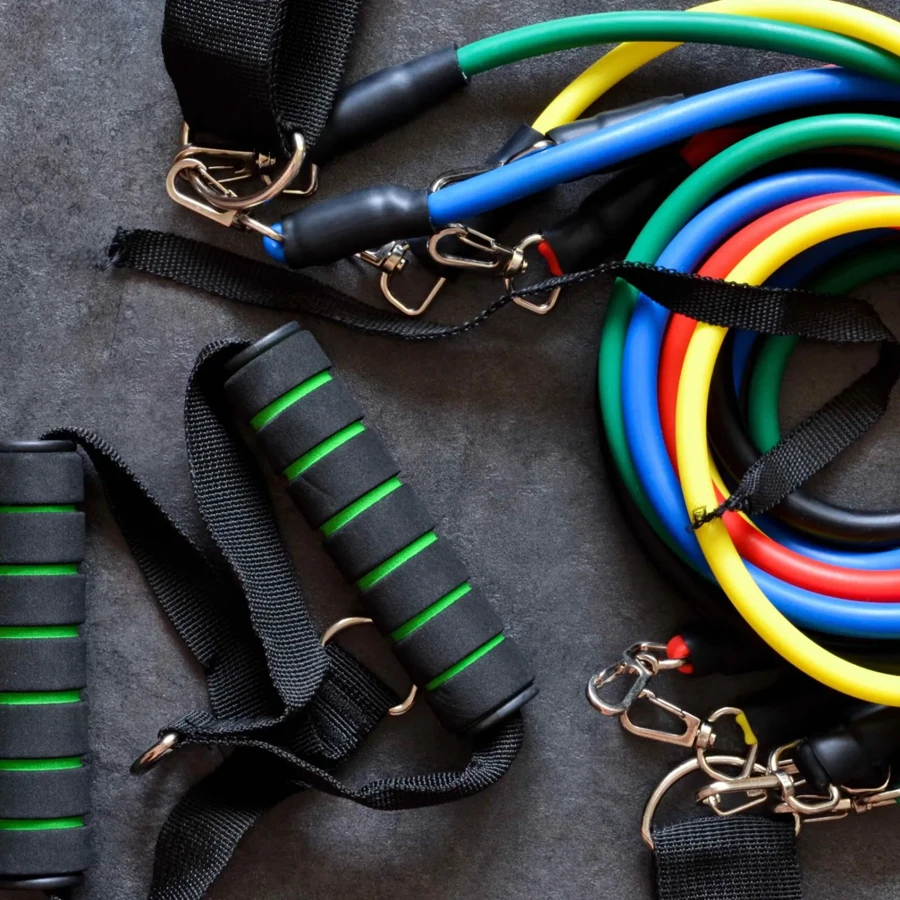
Resistance BandsEssential
After massage tools, the next thing you'll need for a complete home gym is a collection of resistance
bands.
Resistance bands give you total, immediate control over the difficulty of your workouts.
If an exercise
is too hard, you simply step closer to the anchor point to shorten the band and instantly reduce the
resistance. Band work allows you to use the body's long chain communication pathways, providing deep core stability, and the best overall function - for building and maintaining the dynamic strength you need for real life.
What kind to get
You want to get bands with a handle on one side and a hook/anchor on the other, not the
ones with a
handle on both sides. You can fasten the hook to a
doorway anchor, or for a more permanent, heavy-duty
setup, you can screw a wooden strip with hooks/anchors directly into a wall beam.
Cheap vs expensive bands
If you're only doing light, relatively low-resistance workouts, which is often the case
(especially when
starting out), the brand does not matter at all. You can easily find cheap $5 to $10
packs that work
perfectly well. But if you're looking to push higher resistance, you should look at buying name-brand or
commercial-gym
quality bands. Because if you use cheap bands at a high resistance, the plastic
components could snap,
and you don't want to get slapped with one of these bands!
◆ ◆ ◆
03Part Three
KettlebellsMust-have
Once you're familiar with resistance in your workouts and are ready to level things up,
kettlebells are where it's at. This type of weight perfectly mimics picking up heavy
objects in everyday life, providing all the functional workout positions you will
ever
need.
These will last you a lifetime! But be careful not to chip the paint as they can rust in those areas.
What kind to get
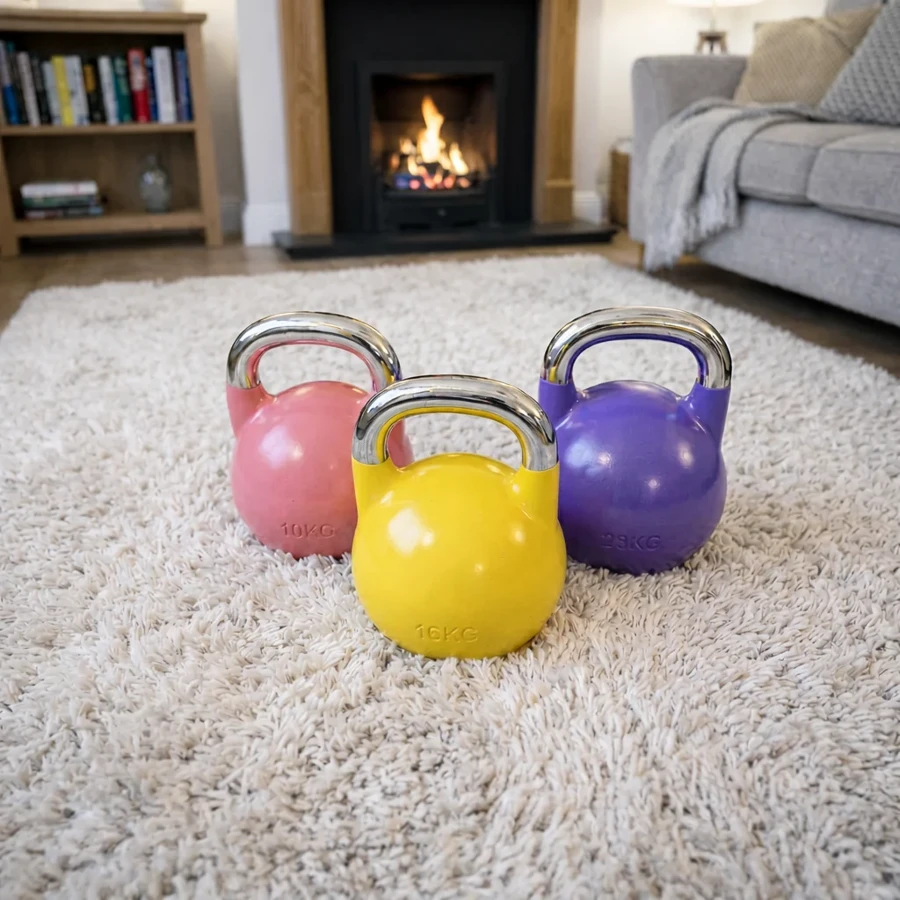
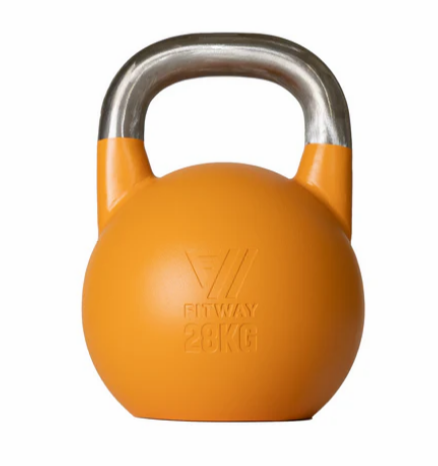
Competition-style kettlebells. Unlike more
common kettlebells
that get
bigger and thicker as they get heavier, competition kettlebells have a uniform size and shape
regardless
of the weight inside. Their handles are amazingly ergonomic and significantly easier
to work
with - most other commonly found kettlebells are not.
How many do I need?
I suggest building up to owning three - starting with lightweight, then mid-weight,
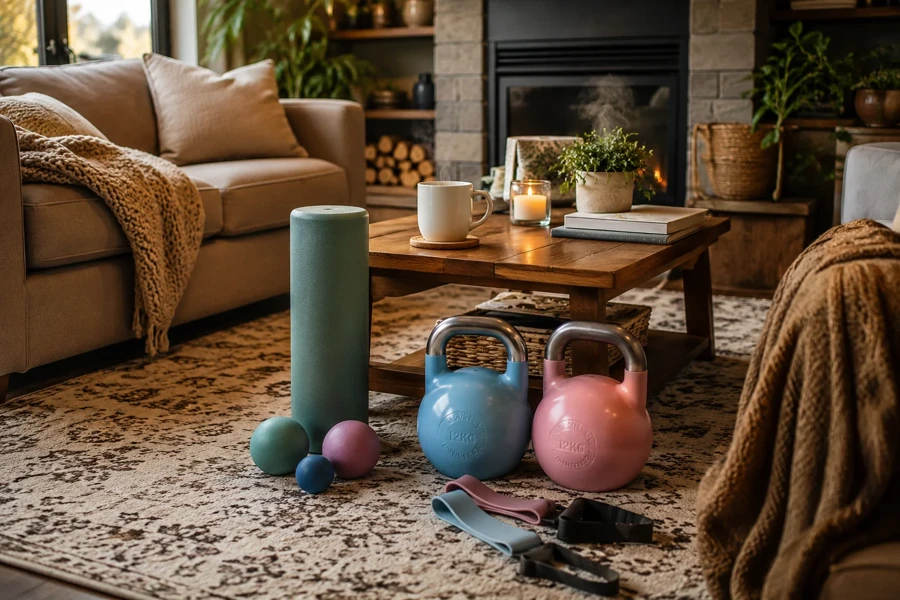
and finally heavy weight. They come color-coded in increments of 2kg, from 4kg (9lbs) all the way up to 48kg (106lbs). Over the years I ended up with pink (10kg), blue (12kg), yellow (16kg), and purple (20kg).
What to avoid
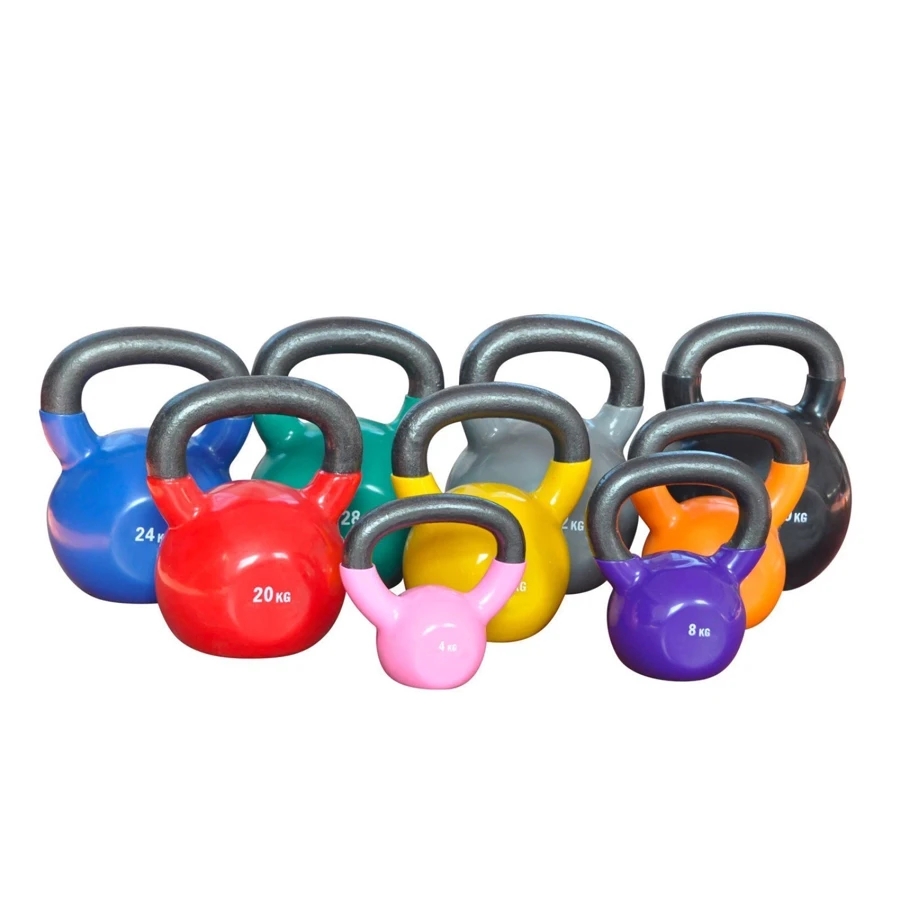
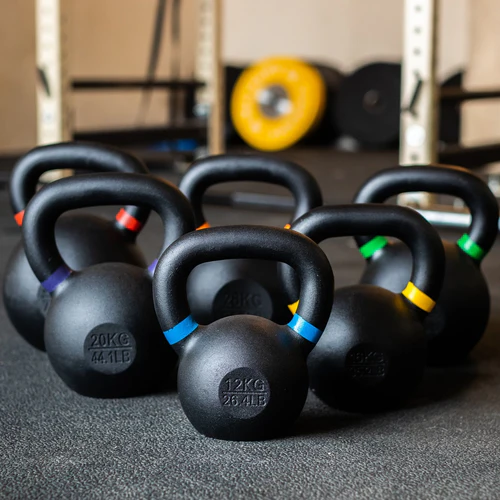
Standard cast-iron and rubber-coated kettlebells have inconsistent handle
sizes and uncomfortable grips. Stick with competition-style.
Rubber-coated - awkward handles
Cast iron - inconsistent sizing
◆ ◆ ◆
04Part Four
What about heavy machinery?
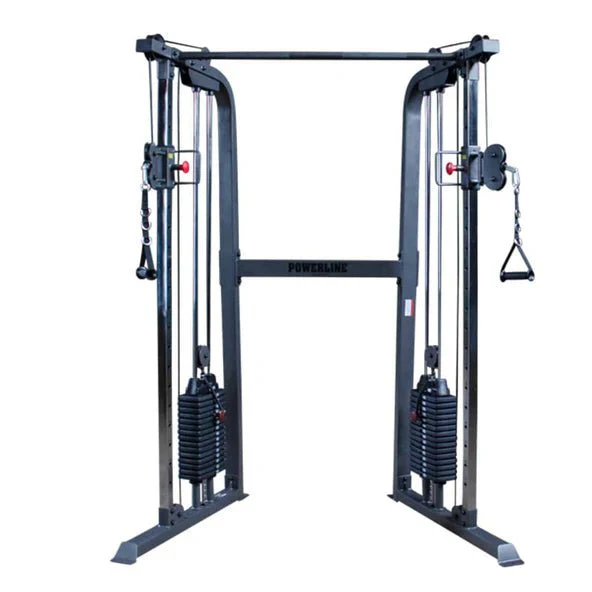
Circuit machine
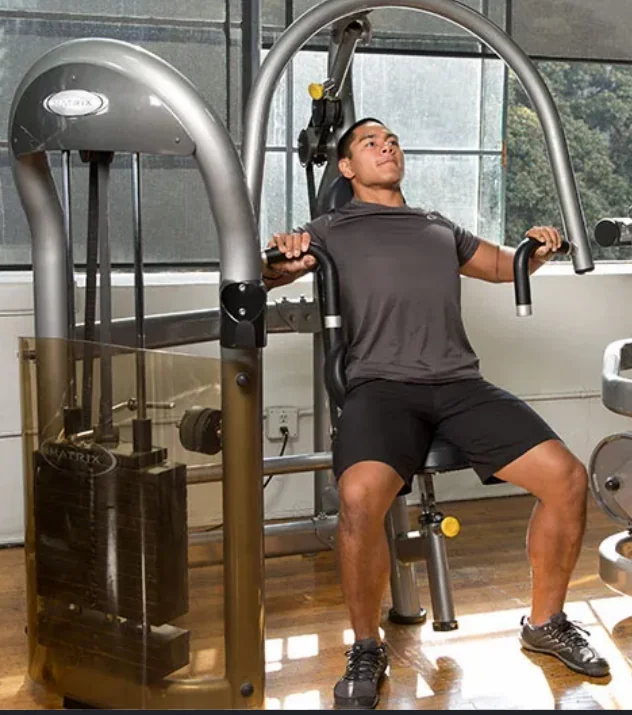
I generally tell my clients to avoid almost all machines, especially the isolated movement/fixed path
kind (often called circuit machines). These lock your body into rigid, unnatural paths of motion. Overusing them can
often make things
worse, and they don't provide the dynamic, real-world strength you get from functional
exercise with bands and kettlebells.
What is actually worth using
If you are deeply committed to a heavy-duty home setup, or if you're assessing a gym membership,
one of the only machines truly worth your time is a Functional Cable
Trainer. These operate very similarly to resistance bands, allowing for free,
natural movement in multiple directions and can safely hold a massive amount of weight.
◆ ◆ ◆
05Part Five
Understand how your feet are foundational
And how your footwear could be undermining your entire foundation in ways that can take years to undo.
The effects of restrictive footwear (and poor foot care) can
travel up into
your knees, hips, core, and beyond.
Most of my clients are surprised when I tell them what to actually look
for when buying shoes. So I put together a Complete Guide to Freeing Your Feet, that covers
everything - warning signs your current footwear might be hurting you, how to assess
the shoes you're
wearing or shopping for, the specific features to look for (and avoid), trusted brands,
and why this is especially critical for kids.
I HIGHLY recommend that everyone reads this guide carefully.
Share it with
friends and family. It's really that important!
Foot health · Companion Guide
Complete Guide to Freeing Your Feet
Because your foundation starts from the ground up.
Inside, you'll find:
How your shoes might be quietly undermining your body - and the signs to look for
What functional footwear actually looks like - and a checklist you can take shopping with you
Trusted barefoot and minimalist shoe brands
Simple practices to start restoring foot strength and mobility
If you've been dealing with pain, tension, weakness, pelvic floor issues, or a body that just
doesn't
feel like it's working right anymore, you've probably already tried a lot. You've probably
already been
through
the
physio, the chiro, other specialists, and got some temporary relief, a list of exercises,
maybe a
few sessions that felt like they helped... until they didn't. And then you're back to square one.
That's exactly where I was before I started down this line of work. And that's when I realized
that it wasn't because I was lazy, broken, or doing it wrong. It's because the traditional
approaches
treat the spot that hurts, not the deeper patterns that put you there in the first
place. Your body is a deeply
interconnected system, and when something's been building for years, you've probably realized a handful
of isolated appointments is not going to undo it.
The reality is that lasting change usually means rebuilding your foundation - how you move, how
you
stand, how your feet, core, pelvis, and nervous system are all working together (or not).
That takes
more than just another appointment. It takes a real plan.
You don't need to figure all of that out today. But here's what I would recommend to you right now:
• Start with the free Foot Guide. Because your foundation starts from the ground
up,
and most people have no idea their shoes are working against them. (Get it here, it's free!)
• Book a free call - ask questions, no commitment. See below for more information.
• Check in with our socials for more free resources and upcoming events.
Living with pain is exhausting. Getting help shouldn't be.
Step 1: Book a free 15-minute phone call.
Tell me about your concerns. I'll offer any insights I can, let you know whether - or
how -
I could help, and depending on your situation, may recommend other types of practitioners
who
might be a better fit.
This call could provide you with:
Insight into the causes of your specific pain, injuries, or function concerns - anything
within musculo-skeletal and pelvic health
Guidance on the optimal use of your insurance benefits, and which types of practitioners
could be most beneficial in your case
Lifestyle ergonomics - small changes that can have a lasting positive impact on your
health
Answers to any questions you have, within my scope of practice
An honest answer on whether my services would be a good fit for your needs
Completing the quick
health intake
form
beforehand can help you get the most out of the call.
Step 2: Get a real plan with a destination in mind
Once we find out if working together is the right fit, I'll assess you as a whole, and build
a treatment plan around your specific needs. Then we'll work through it with hands-on
sessions, exercises you can do at home, and ongoing support between visits.
Step 3: Get back to your life!
The goal from day one is lasting change, not repeat visits. Once we finish working together, you'll leave with a real
understanding
of your body, and with the tools to keep it working.
Step one is FREE!Book a free 15-minute phone consultation.